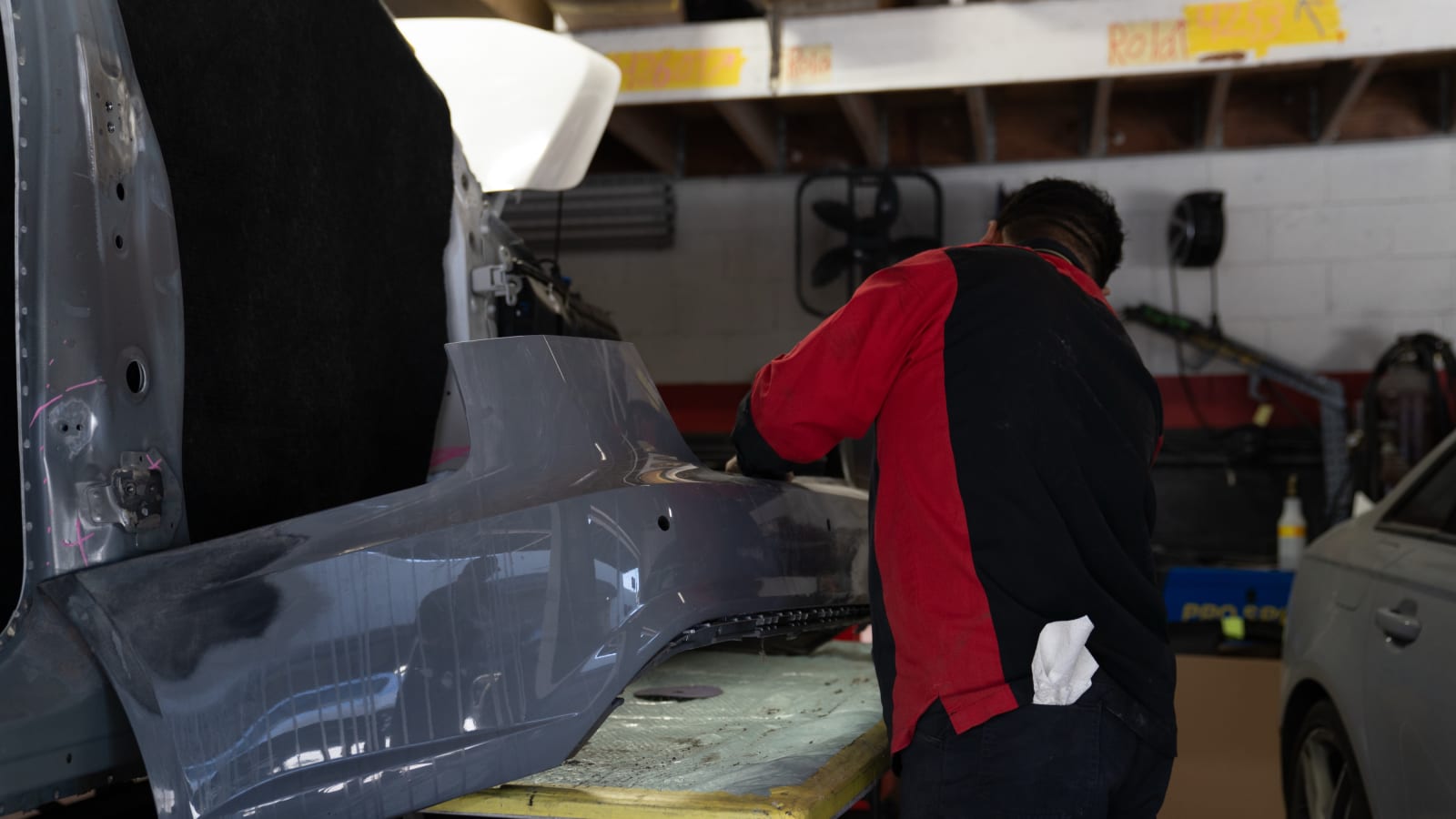
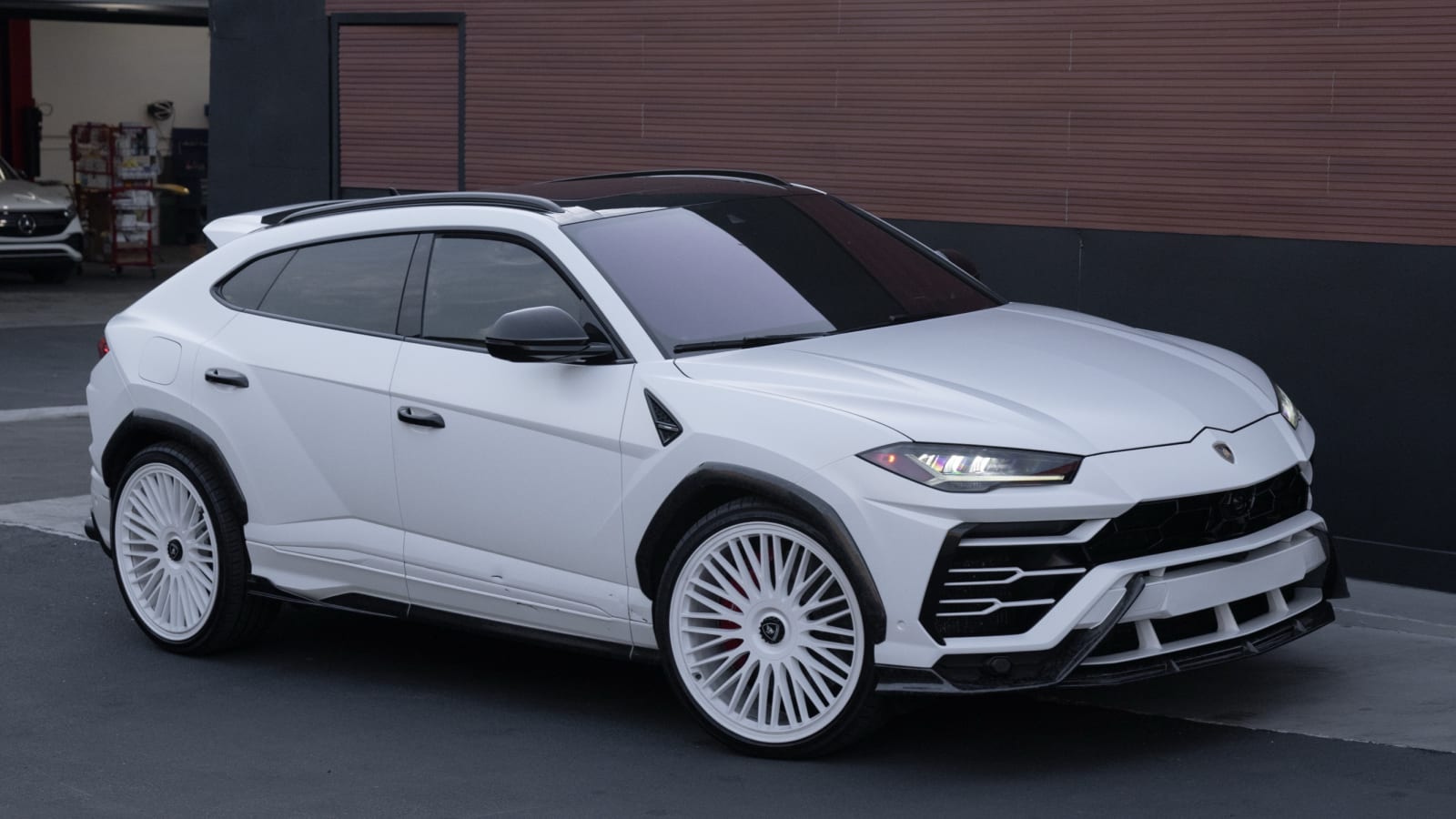
A Porsche collision center is a factory approved collision facility specifically certified by Porsche to perform exacting repair and reconstructive techniques on Porsche vehicles using genuine Porsche parts materials tools and equipment. These trained professionals who adhere strictly to Porsche restoration procedures ensure that your Porsche automobile maintains its structural integrity, performance, and quality standards after being involved in a collision.
Unlike standard auto body shops, approved collision centers commit to these procedures and are continuously supported and monitored by factory technical personnel to assure that your Porsche receives collision services that match original factory specifications.
What This Guide Covers
This comprehensive guide covers the approved collision center program, certification requirements for collision facilities, the use of genuine Porsche parts materials, and how to select qualified repair technicians. We’ll explore what makes these facilities different from regular body shops and why choosing certified collision services matters for your Porsche vehicle.
Who This Is For
This guide is designed for Porsche owners dealing with collision damage, insurance claims, or automobile enthusiasts seeking preventive knowledge about authorized repair facilities. Whether your Porsche vehicle is involved in a minor accident or requires major reconstructive techniques and materials, you’ll find essential information for protecting your investment.
Why This Matters
Performance and quality requires skilled and trained professionals who understand the exacting repair standards that Porsche vehicles have earned. Choosing the wrong facility can compromise your vehicle’s safety, void warranties, and significantly impact resale value. Proper collision services protect both your driving experience and financial investment.
What You’ll Learn:
- How approved collision centers differ from standard auto body shops
- Certification requirements and technician training standards
- The importance of genuine Porsche parts and factory procedures
- Step-by-step collision repair process at certified facilities
Understanding Porsche Approved Collision Centers
Porsche approved collision centers represent a network of factory approved collision facilities each trained and equipped to provide collision services using Porsche restoration procedures and genuine Porsche parts. The collision center program responds to the need for specialized repair capabilities that match the sophisticated engineering and materials found in every Porsche automobile. Similarly, for other makes, there are manufacturer-certified facilities such as the Chrysler Certified Collision Center, which offer OEM repairs and factory-approved service.
The program encompasses a network of carefully selected facilities that adhere strictly to Porsche quality standards and are continuously supported by factory technical personnel. This ensures that automobile enthusiasts receive the most exciting driving experiences even after their Porsche vehicle is involved in an accident.
Certification Requirements
The approved collision center program maintains rigorous standards through annual facility inspections and comprehensive audit requirements. Each facility must demonstrate technician training through I CAR certification programs and maintain specialized equipment capable of working with advanced materials including carbon fiber components found in modern Porsche vehicles.
Collision facilities must invest typically over $1 million in Porsche-specific tools and equipment to meet certification standards. This investment ensures access to exclusive Porsche AG service and repair information necessary for maintaining original factory specifications. These facilities are equipped to repair all levels of damage, from minor dents to major structural issues, including high-strength materials.
Network Coverage and Locations
Approved collision centers are strategically distributed across major markets, with most Porsche dealerships maintaining relationships with certified independent shops. The network of factory approved facilities ensures that Porsche owners can access quality repairs regardless of location, though availability may vary in smaller markets.
Transition: Understanding these fundamental concepts establishes why certification standards are so comprehensive and technically demanding.
Certification Standards and Technical Requirements
Building on the network structure, the collision center program encompasses detailed technical requirements that separate certified facilities from standard auto body shops. These standards ensure that professionals who adhere strictly to Porsche restoration procedures can deliver the exacting repair quality that Porsche vehicles demand.
Technician Training and Qualifications
Skilled and trained professionals at approved collision centers must complete extensive Porsche-specific training programs covering factory procedures and advanced materials. The technician training includes I CAR Platinum Recognition requirements and ongoing education to stay current with evolving Porsche restoration procedures.
Factory technical personnel provide continuous education covering new models, assistive technologies, and reconstructive techniques and materials. This ensures that repair technicians maintain expertise with carbon fiber repairs, aluminum welding, and advanced driver assistance system calibration.
Specialized Tools and Equipment
Unlike standard body shops, approved collision centers maintain Porsche-specified tools for aluminum and steel structural repairs, along with equipment for working with carbon fiber and other advanced materials. Access to exclusive Porsche AG service and repair information enables technicians to follow precise factory procedures.
The equipment investment includes computerized frame straightening systems, specialized welding equipment for mixed-material construction, and advanced paint booths capable of matching Porsche’s unique color palettes. These tools and equipment ensure repairs maintain original factory specifications.
Facility Standards
Physical facility requirements include dedicated workspace areas meeting Porsche cleanliness and safety standards verified through regular inspections. Customer satisfaction monitoring systems track repair quality and service delivery, ensuring that each approved collision center maintains standards worthy of the Porsche name.
Key Points:
- Annual inspections verify compliance with factory standards
- Minimum $1 million investment in specialized equipment required
- Continuous training ensures technicians stay current with new models
Transition: These comprehensive standards directly support the sophisticated repair processes required for modern Porsche vehicles.
Repair Process and Parts Standards
The exacting repair and reconstructive techniques used at approved collision centers follow a systematic approach designed to restore each Porsche vehicle to original factory specifications. This process differs significantly from standard auto body repair procedures due to the advanced materials and precision engineering found in every Porsche automobile.
Step-By-Step: Porsche Collision Repair Process
When to use certified centers: Any time your Porsche vehicle is involved in a collision requiring structural repair, paint work, or component replacement.
- Initial Assessment: Trained professionals conduct thorough damage evaluation using Porsche Workshop Manual procedures and specialized diagnostic equipment
- Parts Procurement: Ordering genuine Porsche parts through authorized networks ensures perfect fit and maintains warranty coverage
- Structural Repair: Using Porsche-approved jigs and fixtures to maintain precise dimensional tolerances during reconstructive techniques
- System Calibration: Recalibrating advanced driver assistance systems and electronic components to factory specifications, including various camera systems and sensors, to ensure they function correctly
- Quality Control: Final inspection by factory technical personnel or certified technicians verifying all repairs meet Porsche standards
Comparison: Genuine Porsche Parts vs Aftermarket Parts
Genuine Porsche parts materials ensure that structural integrity and safety systems function exactly as designed, while aftermarket alternatives may compromise performance or void warranty coverage. These parts originate from the development of the cars and are engineered, manufactured, and tested to help maintain the original performance of your vehicle.
Transition: Understanding proper procedures helps Porsche owners navigate common challenges during the repair process.
Common Challenges and Solutions
Even when working with approved collision centers, Porsche owners may encounter obstacles related to insurance company preferences, repair timelines, and cost considerations. These challenges require informed responses to protect both vehicle quality and owner interests. Reputable collision centers streamline the repair process by coordinating with insurance providers and providing regular updates.
Challenge 1: Insurance Company Pressure to Use Non-Certified Shops
Solution: Understand your legal right to choose any qualified repair facility, including approved collision centers.
Insurance companies may suggest non-certified shops to reduce costs, but you can insist on collision services that match Porsche quality standards. Most states require insurance companies to cover repairs at certified facilities without penalty to the policyholder.
Challenge 2: Extended Repair Times at Certified Centers
Solution: Recognize that quality requires skilled and trained professionals following precise procedures.
Exacting repair and reconstructive techniques take longer than standard body work, especially when ordering genuine Porsche parts materials. The additional time ensures that your Porsche maintains its performance characteristics and most exciting driving experiences.
Challenge 3: Higher Repair Costs at Porsche Certified Facilities
Solution: Consider long-term value preservation and safety benefits of proper repairs.
While certified collision services may cost more initially, proper repairs using genuine Porsche parts protect warranty coverage, maintain resale value, and ensure continued safety performance. The investment preserves the quality of your Porsche automobile. Many authorized Porsche collision centers also provide a limited lifetime warranty on repairs, offering additional peace of mind.
Transition: These solutions help Porsche owners make informed decisions that protect their investment and safety.
Conclusion and Next Steps
Choosing approved collision centers ensures that your Porsche vehicle receives collision services from trained professionals who adhere strictly to factory procedures using genuine Porsche parts materials tools and equipment. This commitment to quality requires skilled and trained professionals but preserves the performance and safety characteristics that make Porsche vehicles known to automobile enthusiasts worldwide.
To get started:
- Locate approved collision centers in your area through Porsche dealer networks
- Document accident damage thoroughly before repairs begin
- Contact your insurance company and specify your choice of certified facility
Related Topics: Consider exploring Porsche warranty requirements, scheduled maintenance protocols, and auto leasing options for luxury vehicles to understand how certified repairs integrate with overall vehicle care.
Additional Resources
For accessibility options and additional support, many approved collision centers offer audio eye enabled websites and customer service systems designed to assist all Porsche owners in navigating the repair process effectively.